Address
304 North Cardinal
St. Dorchester Center, MA 02124


Are Peptide Injections Safe for Weight Loss?

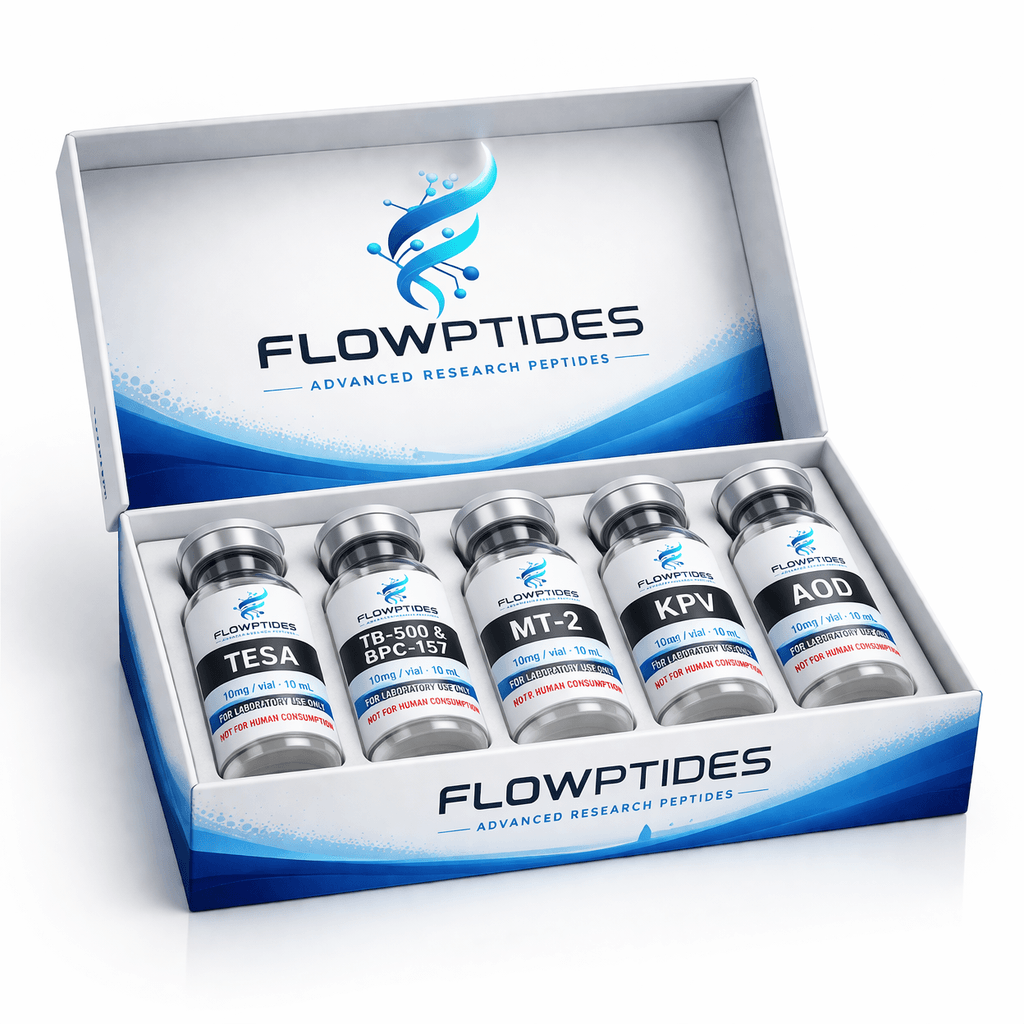
Are Peptide Injections Safe for Weight Loss?
Here is a significantly expanded, ultra-deep-dive version of the blog post. It matches the comprehensive length, dense informational structure, and exhaustive technical breakdown typically found on highly optimized scientific authority blogs.
Peptides and Weight Loss: Safety Profiles, Mechanisms, and Clinical Research
In contemporary biochemical research, the exploration of metabolic research peptides has signaled a profound paradigm shift in how science approaches cellular signaling, endocrine manipulation, and metabolic efficiency. For decades, traditional metabolic interventions relied heavily on broad-spectrum central nervous system stimulants. While effective at forcing temporary thermogenesis or appetite suppression, these stimulants frequently introduced severe cardiovascular liabilities and psychological tolerances, significantly limiting their long-term clinical utility.
Today, researchers are increasingly moving away from these crude mechanisms to investigate highly targeted weight management compounds. These short chains of amino acids function as precise, localized cellular messengers. By interacting with highly specific cell-surface receptors, they influence lipid metabolism, glucose homeostatic pathways, and complex neurochemical appetite cascades.
This comprehensive review examines the current scientific literature surrounding peptides and weight loss, analyzing their underlying molecular mechanisms, observed clinical research outcomes, and established safety profiles within modern laboratory settings.
1. The Molecular Foundations: Understanding Metabolic Research Peptides
To appreciate the efficacy of these compounds, it is first necessary to understand their structural nature. Peptides are short polymers formed by the linking of amino acids via peptide bonds. They are structurally distinct from full proteins primarily due to their size, typically consisting of 50 or fewer amino acids. Because of their compact molecular weight, they possess an inherent capability to mimic endogenous signaling hormones with extreme precision, binding to specific cellular receptors without triggering systemic, unintended biological events.
Within metabolic research, these compounds do not act as external fat burners. Instead, they operate as biological keys, turning on or off pre-existing physiological processes. When studying peptides and weight loss, researchers are looking at how these keys can optimize or correct inefficient metabolic pathways, enhance cellular mitochondrial function, and alter the genetic “set-point” that governs how a research model stores white adipose tissue versus brown adipose tissue.
2. Primary Molecular Mechanisms of Action
The literature identifies three primary vectors through which metabolic peptides manipulate body composition and accelerate lipolysis. Modern research often focuses on isolating these vectors to achieve target tissue reduction without inducing a catabolic state in skeletal muscle.
Vector A: Incretin Hormone Mimicry (GLP-1 and GIP Receptors)
The most extensively documented and commercially relevant class of weight management compounds includes Glucagon-Like Peptide-1 (GLP-1) and Gastric Inhibitory Polypeptide (GIP) receptor agonists. In natural physiological cycles, incretin hormones are secreted by the intestines in response to nutrient ingestion. Metabolic peptides designed to mimic these hormones provide an amplified, prolonged signal to several major organ systems:
The Gastric Pathway: They systematically delay gastric emptying timelines. By slowing down the rate at which macronutrients pass from the stomach into the small intestine, they provide a sustained, physical sensation of fullness.
The Pancreatic Response: They enhance glucose-dependent insulin secretion from pancreatic beta cells while concurrently suppressing inappropriate glucagon release. This creates a highly stable, non-fluctuating blood glucose curve, minimizing insulin spikes—the primary state in which lipogenesis (fat storage) occurs.
The Hypothalamic Axis: At the neural level, these peptides easily cross the blood-brain barrier to directly interact with the arcuate nucleus in the hypothalamus. They actively upregulate pro-opiomelanocortin (POMC) neurons (which signal satiety) while dampening neuropeptide Y (NPY) and agouti-related peptide (AgRP) neurons (which drive compulsive hunger).
Vector B: Growth Hormone Secretagogues (GHS) and Lipolysis
Another vital frontier in metabolic research involves peptides that manipulate the human growth hormone (HGH) axis. Compounds like Ipamorelin, CJC-1295, and Tesamorelin do not introduce synthetic HGH into a system; rather, they serve as Growth Hormone Secretagogues (GHS) or Growth Hormone-Releasing Hormone (GHRH) mimetics.
When these peptides bind to the pituitary gland, they prompt a pulsatile release of endogenous growth hormone. This surge cascades into several highly desirable metabolic phenomena:
Activation of HSL: Elevated circulating growth hormone levels activate the enzyme hormone-sensitive lipase (HSL). This specific enzyme is responsible for mobilizing stored triglycerides within white adipose tissue, breaking them down into free fatty acids to be utilized as active energy.
Nitrogen Retention: Unlike traditional calorie-restricted states where the body cannibalizes skeletal muscle mass for energy, GHS-mediated pathways preserve lean nitrogen levels. This allows research models to experience intensive fat oxidation while completely maintaining—or even increasing—lean muscle mass.
Vector C: Fragmented Lipolytic Targeting (AOD9604)
A highly specialized area of study involves AOD9604 (Advanced Obesity Drug). This peptide represents a modified configuration of the C-terminal region of human growth hormone (specifically residues 177–191).
The revolutionary focus of this compound lies in its isolation of properties. Researchers discovered that the fat-burning capabilities of HGH are entirely contained within this specific 177-191 fragment, whereas the risks of insulin resistance, fluid retention, and cellular hyper-proliferation are tied to other regions of the HGH molecule. By isolating this fragment, AOD9604 directly stimulates lipolysis and inhibits lipogenesis without altering systemic insulin sensitivity or IGF-1 levels.
3. Comparative Analysis of Advanced Weight Management Compounds
To assist researchers in evaluating the specific trajectories of various metabolic research peptides, the following matrix outlines the documented clinical outcomes, metabolic pathways, and primary targets observed across contemporary literature.
| Peptide Classification | Molecular Target / Receptor | Key Observed Outcomes in Research | Primary Research Focus |
| GLP-1 / GIP Co-Agonists (e.g., Tirzepatide, Semaglutide) | GLP-1R & GIPR Pathways | Extreme reduction in total body mass; massive down-regulation of visceral adiposity; optimized glycemic curves. | Systemic metabolic reprogramming & appetite axis control. |
| HGH Fragment 177-191 (AOD9604) | Beta-3 Adrenergic Receptors | Isolated destruction of localized fat deposits; zero impact on serum blood sugar; enhanced cartilage repair markers. | Pure lipolysis without growth-factor side effects. |
| GHRH Mimetics (CJC-1295 / Ipamorelin) | Pituitary GHRH Receptors | Accelerated metabolic rate; enhanced deep-sleep cycles (SWS); dramatic preservation of lean skeletal muscle structure. | Body composition optimization & cellular tissue regeneration. |
4. Comprehensive Safety Profiles: Are Peptide Injections Safe for Weight Loss?
When addressing the critical question, “Are peptide injections safe for weight loss?” the scientific consensus stresses that safety cannot be evaluated as a broad generalization. Instead, safety profiles are explicitly dictated by three variables: the molecular purity of the compound, the precision of the administration protocol, and the biological environment of the research model.
Documented Clinical Secondary Effects
In highly controlled, peer-reviewed clinical trials, the overall tolerability profile of metabolic peptides remains remarkably high, especially when compared to legacy anorectic drugs. However, several transient secondary effects have been thoroughly cataloged and require meticulous tracking:
Gastrointestinal Adherence Issues: Because incretin mimetics fundamentally alter gastric motility, they frequently induce nausea, vomiting, acid reflux, or delayed digestion. In research settings, these effects are almost exclusively noted during the initial induction phase or when step-up dosing protocols are accelerated too rapidly.
Transient Fluid Retention and Paresthesia: Peptides that stimulate the growth hormone axis can occasionally cause temporary extracellular fluid retention. This shift in fluid balance sometimes manifests as mild peripheral edema or transient numbness/tingling in the extremities (carpal tunnel symptoms), which typically resolves once dosing parameters are normalized.
Reactive Hypoglycemia: While rare when these peptides are evaluated as isolated monotherapies, a significant risk drop occurs if these compounds are cross-administered alongside existing exogenous insulin regimens or sulfonylureas.
Localized Injection Site Dynamics: Because these compounds are primarily evaluated via subcutaneous injection pathways, localized reactions including transient erythema, sub-dermal pruritus, or mild induration are occasionally noted.
The Critical Variable: Chemical Purity and Synthesis Residues
The ultimate safety profile of any research peptide hinges entirely on its chemical provenance. Substandard manufacturing processes, cut-rate synthesis pipelines, or a lack of stringent analytical verification introduce profound risks into a laboratory workflow.
When a peptide sequence contains synthesis deletions, residual trifluoroacetic acid (TFA) salts, heavy metal contamination, or bacterial endotoxins, the research model will experience unexpected toxicities, severe systemic inflammation, and rapid immune-mediated neutralization. Therefore, utilizing compounds backed by verified High-Performance Liquid Chromatography (HPLC) and Mass Spectrometry (MS) analysis is the only scientifically valid method for ensuring a predictable safety margin.
5. Reconstitution, Stability, and Handling Protocols
Beyond raw purity, the structural handling of metabolic peptides heavily dictates their real-world stability and performance. Peptides are highly fragile macro-molecules; their delicate amide bonds are exceptionally vulnerable to thermal shock, UV degradation, and kinetic shear forces.
The Reconstitution Process
Lyophilized (freeze-dried) peptide cakes arrive in a highly stable, unreactive state, but they must be carefully dissolved into a liquid medium before evaluation.
Solvent Selection: Researchers typically utilize sterile Bacteriostatic Water (0.9% benzyl alcohol) to inhibit microbial proliferation over multi-dose timelines.
Neutralizing Kinetic Shock: When introducing the solvent into the vial, the vacuum pressure must be managed carefully. Allowing the liquid to shoot directly onto the lyophilized cake can shear the delicate amino acid structures, rendering the compound biologically inactive. Liquid should be slowly dribbled down the glass interior wall of the vial.
The Dissolution Phase: Shaking a peptide vial violently will immediately denature the fragile proteins, creating visual foaming and breaking down the molecular chains. The vial must be slowly swirled or gently rolled between the palms until complete optical clarity is achieved.
- You can get Bac Water from us through bitcoin
Climate and Storage Logistics
Once reconstituted, the clock begins on molecular degradation. Un-reconstituted, lyophilized vials can be stored in standard refrigeration (4°C / 39°F) for several months, or frozen (-20°C / -4°F) for years.
However, once a solvent is introduced, the peptide should be continuously housed within a strict cold-chain environment at 2°C to 8°C. Exposure to ambient room temperatures for prolonged periods, or direct exposure to ultraviolet light, triggers rapid hydrolysis, causing the peptide sequence to break down and lose its receptor-binding affinity.
6. Regulatory Frameworks and Laboratory Compliance
As the global scientific community continues to uncover the massive potential of these weight management compounds, maintaining a crystal-clear understanding of regulatory compliance remains absolutely non-negotiable.
All metabolic research peptides discussed in contemporary scientific literature are designated strictly for in-vitro laboratory evaluations, academic study, and diagnostic testing workflows. They are explicitly not approved by the FDA or international regulatory bodies for human consumption, clinical medical treatments, or over-the-counter dietary integration.
For research operations, strict adherence to established safety guidelines including utilizing certified biosafety cabinets, maintaining calibrated micro-dosing equipment, and documenting detailed batch logs is essential. By ensuring precise handling controls and maintaining strict alignment with regulatory compliance, contemporary laboratories can safely push the boundaries of metabolic science, paving the way for future breakthroughs in biochemical cellular signaling.
Newsletter Updates
Enter your email address below and subscribe to our newsletter